
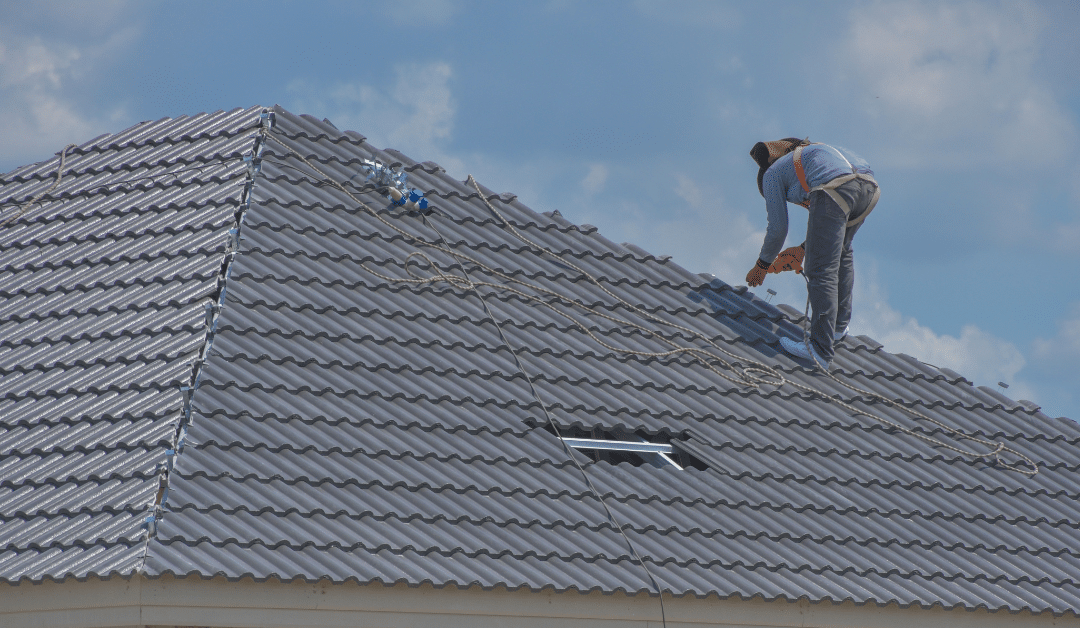
Metal buildings are built to withstand demanding conditions, but over time, even the most durable structures can develop leaks. Exposure to weather, temperature changes, and natural wear can create vulnerabilities in roofing systems, seams, and fasteners. When water begins to enter the building, it is important to act quickly and identify the source before it leads to larger structural concerns.
Understanding where to start when repairing leaks on a metal building helps property owners address issues efficiently and prevent long-term damage. With proper inspection and timely action, many leak-related problems can be resolved before they impact insulation, framing, or interior operations.
Companies like S&S Structures understand how metal building systems function as a whole. Identifying the true source of a leak requires knowledge of how each component interacts, from roof panels to structural connections.
Why Leaks Develop in Metal Buildings
Metal roofs are designed to shed water, but several factors can interfere with that process. Expansion and contraction from temperature changes can loosen fasteners and stress seams. Over time, sealants may dry out or crack, creating entry points for moisture.
Environmental exposure also plays a role. Wind-driven rain can force water into small openings, while debris buildup can trap moisture on the roof surface. These conditions make repairing leaks on a metal building an important part of maintaining long-term performance.
Start With the Roof Panels
The first place to check is the roof itself. Roof panels form the primary barrier against water, and any damage or misalignment can allow moisture to enter.
Look for:
- Dents or punctures in panels
- Areas where panels appear lifted or shifted
- Signs of wear along panel edges
Even minor damage can disrupt the roof’s ability to channel water properly. Early detection simplifies repairing leaks on a metal building and prevents further spread.
Inspect Fasteners and Washers
Fasteners are one of the most common sources of leaks. Over time, screws can loosen due to expansion and contraction, and washers may degrade or crack.
Check for:
- Missing or backed-out fasteners
- Damaged or brittle washers
- Visible gaps around screw heads
When fasteners fail, they create small openings that allow water to penetrate. Addressing these issues is a key step in repairing leaks on a metal building and restoring a secure seal.
Check Seams and Overlaps
Metal roof panels are joined at seams, which are designed to prevent water intrusion while allowing for movement. However, these seams can weaken over time.
Inspect seams for:
- Separation or gaps
- Worn or deteriorated sealant
- Signs of water staining nearby
Seam failure is a common cause of leaks, especially after years of exposure. Proper sealing and reinforcement are essential when repairing leaks on a metal building.
Examine Flashing Around Penetrations
Any area where the roof is interrupted, such as vents, skylights, or HVAC units, is a potential weak point. Flashing is used to create a watertight seal, but it can degrade over time.
Look for:
- Cracked or lifted flashing
- Gaps between flashing and roof panels
- Signs of water accumulation around penetrations
These areas often require targeted repairs. Ensuring flashing is secure and properly sealed is a critical part of repairing leaks on a metal building.
Evaluate Roof Slope and Drainage
Metal roofs rely on proper slope and drainage to move water away from the structure. If water begins to pool, it increases the risk of leaks and corrosion.
Check for:
- Standing water after rainfall
- Blocked gutters or downspouts
- Debris buildup on the roof
Improving drainage helps prevent future issues and supports ongoing efforts in repairing leaks on a metal building.
Look Inside the Building for Clues
Sometimes the source of a leak is easier to identify from inside the structure. Water may travel along panels or framing before becoming visible.
Inspect for:
- Water stains on ceilings or walls
- Damp insulation
- Dripping during rainstorms
- Musty odors indicating moisture buildup
Interior signs can help pinpoint the general location of the problem. Combining interior and exterior observations makes repairing leaks on a metal building more accurate and effective.
Check for Corrosion and Surface Damage
Corrosion can weaken metal panels and create openings where water can enter. Areas exposed to standing water or debris are especially vulnerable.
Look for:
- Rust spots or discoloration
- Flaking or peeling coatings
- Thinning metal in affected areas
Addressing corrosion early is essential when repairing leaks on a metal building, as it prevents further deterioration and extends the life of the structure.
Assess Structural Movement
In some cases, leaks are caused by structural movement rather than surface damage. Shifting frames or settling foundations can create gaps in the building envelope.
Watch for:
- Misaligned panels
- Gaps between structural components
- Changes in how doors or windows operate
When structural issues are present, repairing leaks on a metal building may involve more than surface fixes. A comprehensive approach ensures the problem is fully resolved.
Why Professional Inspection Matters
While property owners can identify visible issues, some leaks originate from less obvious sources. Professional inspections provide a detailed assessment of the entire building system.
Experts understand how to trace water intrusion back to its origin, even when it appears in a different location. Working with experienced contractors ensures that repairing leaks on a metal building addresses both immediate concerns and underlying causes.
Preventing Future Leaks
Once repairs are complete, preventative maintenance helps reduce the likelihood of future issues. Routine inspections and minor adjustments can make a significant difference.
Preventative steps include:
- Regularly checking fasteners and sealants
- Keeping gutters and drainage systems clear
- Removing debris from roof surfaces
- Monitoring for early signs of wear
Proactive care supports long-term performance and minimizes the need for extensive repairing leaks on a metal building efforts in the future.
Protecting Your Building and Its Contents
Leaks can affect more than just the structure itself. Water intrusion can damage equipment, inventory, and interior finishes. It can also create safety concerns if left unaddressed.
Taking a proactive approach to repairing leaks on a metal building helps protect both the building and everything inside it. Addressing issues early ensures continued functionality and reliability.
Acting Quickly Makes a Difference
When leaks appear, time is a critical factor. Small openings can allow water to spread quickly, especially during heavy rain or prolonged exposure.
Identifying where to check first and taking immediate action reduces the risk of larger problems. With the right approach, repairing leaks on a metal building can be handled efficiently and effectively.
Stay up to date with the latest at S&S Structures by liking us on Facebook.