
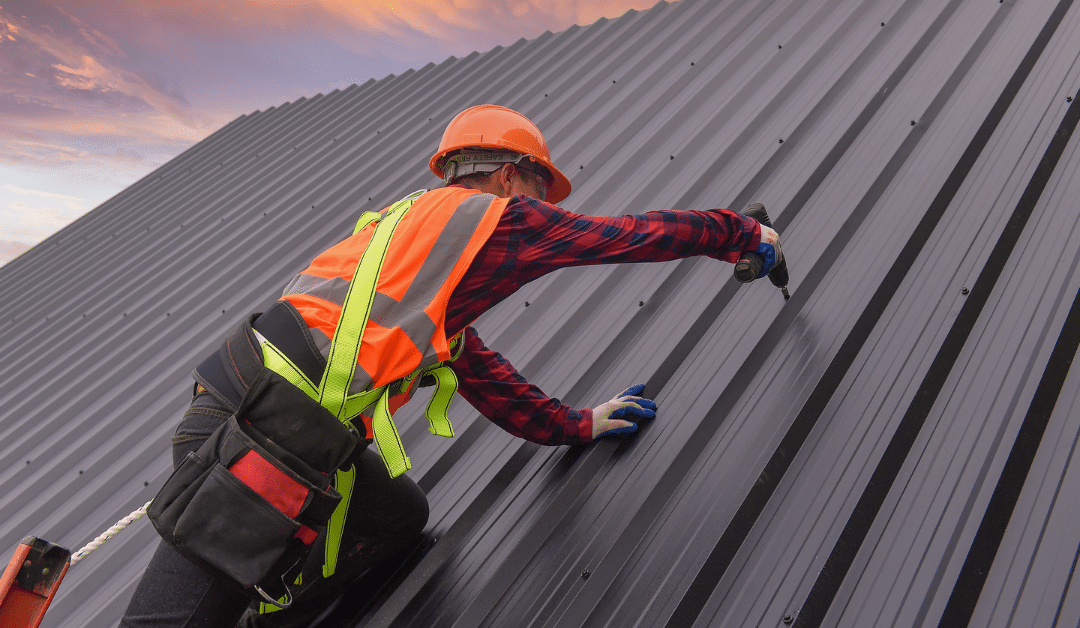
Metal buildings are designed for strength and long-term durability, but severe weather can still take a toll. High winds, heavy rain, hail, snow loads, and rapid temperature changes all place stress on roofing systems, wall panels, fasteners, and structural components. After a major storm event, knowing what to inspect first can prevent minor damage from turning into costly structural issues.
For property owners, facility managers, and agricultural operators, acting quickly is critical. Timely metal building repairs help preserve structural integrity, protect interior contents, and extend the lifespan of the building.
Start With a Safe Exterior Visual Inspection
Before climbing ladders or accessing the roof, begin with a ground-level inspection. Walk the perimeter of the building and look for visible changes.
Check for:
- Detached or shifted wall panels
- Visible dents from hail impact
- Loose trim or flashing
- Debris lodged against siding
- Damage around overhead doors or entry points
Wind-driven debris can cause punctures or panel displacement. Even if the damage appears cosmetic, underlying fasteners or sealants may have been compromised. Early identification allows metal building repairs to be scheduled before water intrusion begins.
Inspect the Roof for Wind and Impact Damage
The roof is typically the most vulnerable component during severe weather. High winds can lift panels, loosen fasteners, or stress seams. Hail can dent protective coatings, increasing corrosion risk over time.
From a safe vantage point or through professional inspection, look for:
- Missing or lifted panels
- Separated seams
- Loose or missing fasteners
- Dented metal surfaces
- Damaged ridge caps
Roof damage may not always result in immediate leaks. However, compromised seams and hardware create entry points for moisture. Prompt metal building repairs prevent further deterioration and reduce long-term structural risk.
Check for Water Intrusion Inside the Building
After confirming exterior conditions, move indoors. Severe weather often reveals weaknesses through leaks or condensation issues.
Look for:
- Water stains on ceilings or walls
- Damp insulation
- Pooled water on floors
- Dripping during rainfall
- Increased humidity or condensation
Even small leaks can saturate insulation and impact structural framing. Addressing these issues quickly through targeted metal building repairs helps avoid mold development, corrosion, and interior damage.
Examine Fasteners and Connection Points
Fasteners are critical to structural stability. High winds create uplift pressure that can loosen screws or bolts. Once fasteners shift, panel movement increases and additional stress develops at connection points.
Inspect visible fasteners for:
- Backed-out screws
- Missing hardware
- Damaged washers
- Gaps around panel connections
Replacing or resealing compromised hardware is often a straightforward but essential part of metal building repairs following storms.
Evaluate Flashing and Roof Penetrations
Flashing protects vulnerable areas where vents, skylights, or HVAC units penetrate the roof. Severe weather can crack sealant, bend flashing, or break watertight seals.
Damaged flashing is a common source of post-storm leaks. Careful inspection and resealing through professional metal building repairs ensure that penetrations remain secure against future rainfall.
Assess Drainage Systems and Water Flow
Heavy rainfall can overwhelm gutters and downspouts. Debris buildup during storms may block proper drainage, causing water to pool on the roof or near the foundation.
Check for:
- Clogged gutters
- Detached downspouts
- Standing water near the building
- Soil erosion around the base
Water pooling increases corrosion risk and can stress structural components. Addressing drainage issues as part of metal building repairs helps prevent repeated moisture exposure.
Look for Signs of Structural Stress
While exterior panel damage is often visible, structural stress may be less obvious. Snow loads, wind pressure, or flying debris can affect framing alignment.
Warning signs include:
- Uneven roof lines
- New interior cracks
- Doors that no longer close properly
- Shifts in wall alignment
If any of these issues appear, a professional structural assessment is recommended. Comprehensive metal building repairs may involve reinforcing framing components to restore alignment and safety.
Monitor for Delayed Damage
Not all storm-related damage is immediately visible. Over the weeks following severe weather, continue monitoring for:
- New rust formation
- Sealant cracking
- Minor leaks during light rain
- Increased energy costs
Thermal movement after storms may reveal vulnerabilities that were not obvious initially. Scheduling a professional inspection ensures that necessary metal building repairs are identified before conditions worsen.
Why Professional Evaluation Matters
Metal buildings are engineered systems. Repairs must address both visible damage and underlying stress points. Attempting quick fixes without proper evaluation can lead to incomplete solutions.
Working with experienced professionals ensures that metal building repairs restore the full integrity of the structure. Specialists understand load distribution, panel installation methods, and the importance of proper sealing techniques.
A thorough inspection provides documentation for insurance claims and establishes a clear plan of action.
Preventative Planning After Repairs
Once immediate concerns are addressed, consider implementing a preventative maintenance plan. Severe weather events highlight the importance of routine inspections and proactive upkeep.
Regular evaluations reduce the need for emergency metal building repairs in the future. Scheduled maintenance allows property owners to plan repairs strategically and maintain consistent building performance.
Protecting Your Investment
Metal buildings are often central to daily operations. Whether housing equipment, inventory, livestock, or commercial activity, protecting the structure protects everything inside it.
Severe weather is unpredictable, but response does not have to be reactive. By knowing what to check first and addressing concerns promptly, property owners preserve structural safety and operational continuity.
Timely metal building repairs ensure that minor storm damage does not escalate into major structural compromise. Acting quickly supports long-term durability and reinforces the resilience metal buildings are known for.
Stay up to date with the latest at S&S Structures by liking us on Facebook.