Metal buildings have become a reliable solution for commercial, agricultural, and industrial needs. Known for their durability, efficiency, and flexibility, these structures are designed to perform in a wide range of environments. However, achieving long-term performance depends heavily on proper planning and execution from the very beginning. Understanding the full process of metal building installation helps property owners make informed decisions and avoid costly issues down the road.
Companies like ours, S&S Structures, specialize in delivering well-constructed metal building systems that are built to last. From site preparation to final assembly, every step plays a role in the overall strength and longevity of the structure.
Why Proper Installation Matters
A metal building is only as strong as its installation. Even high-quality materials can underperform if they are not installed correctly. Structural alignment, load distribution, and weather resistance all depend on precise construction methods.
Investing in professional metal building installation ensures that each component is placed and secured according to engineering standards. This not only improves safety but also reduces the likelihood of future repairs and maintenance issues.
Planning and Design Considerations
Before construction begins, thorough planning is essential. The design phase determines how the building will function and how it will perform under different conditions.
Important factors to consider include:
- Intended use of the building
- Size and layout requirements
- Local building codes and regulations
- Environmental conditions such as wind and snow loads
- Access points and interior workflow
Careful planning sets the foundation for successful metal building installation and helps ensure the final structure meets both functional and structural expectations.
Site Preparation and Foundation Work
The construction site must be properly prepared before any structural components are assembled. This includes clearing the area, grading the land, and ensuring proper drainage.
The foundation is one of the most critical aspects of the project. A stable, level foundation supports the entire building and ensures proper alignment of the frame. Any issues at this stage can affect the rest of the installation process.
Professional metal building installation includes precise foundation work to prevent settling, shifting, or uneven load distribution over time.
Structural Framing and Assembly
Once the foundation is complete, the framing process begins. This stage involves assembling beams, columns, and support systems that form the building’s structural skeleton.
Each component must be positioned accurately to maintain proper alignment. Structural connections are secured using engineered fasteners designed to handle specific loads.
The framing stage is a key part of metal building installation because it determines the overall strength and stability of the structure.
Roof and Wall Panel Installation
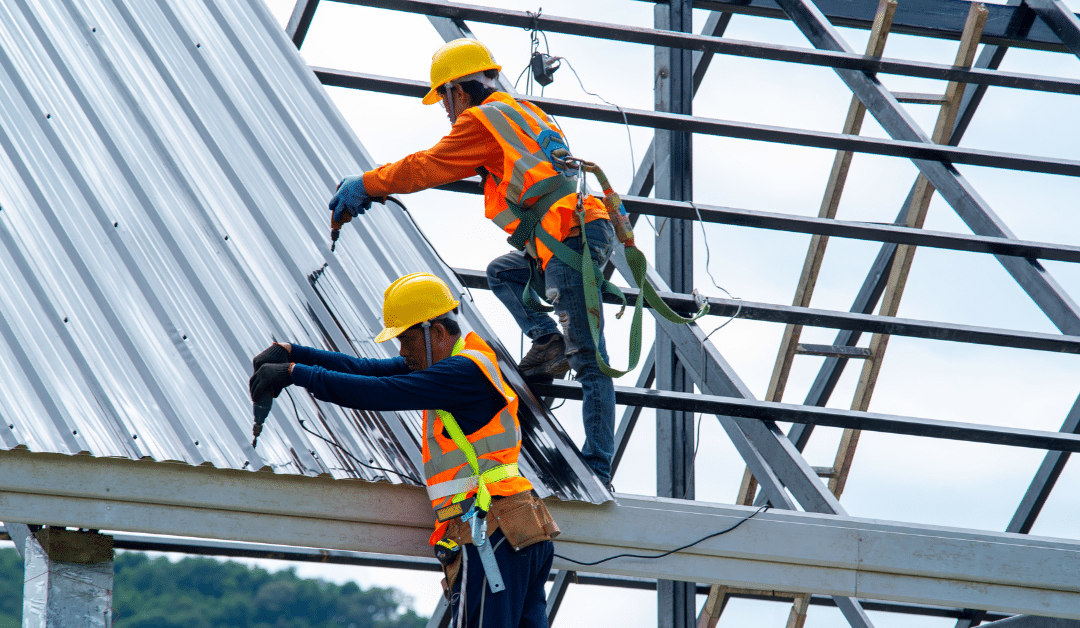
After the frame is in place, roof and wall panels are installed. These panels create the building envelope, protecting the interior from weather conditions.
Proper panel alignment and secure fastening are essential to prevent leaks and ensure long-term durability. Seams, joints, and connection points must be carefully sealed to maintain weather resistance.
High-quality metal building installation ensures that panels are installed evenly and securely, reducing the risk of water intrusion and energy loss.
Insulation and Energy Efficiency
Many metal buildings include insulation to regulate interior temperatures and improve energy efficiency. Insulation helps reduce heating and cooling costs while creating a more comfortable environment.
During metal building installation, insulation must be properly placed and protected from moisture. Gaps or improper installation can reduce effectiveness and lead to condensation issues.
Well-installed insulation supports long-term performance and operational efficiency.
Doors, Windows, and Openings
Access points such as doors and windows are integrated into the structure during installation. These components must be properly aligned and sealed to ensure functionality and weather resistance.
Incorrect installation can lead to air leaks, water intrusion, or operational issues. Professional metal building installation ensures that all openings are properly framed and secured for long-term use.
Drainage and Water Management
Effective water management is essential for protecting metal buildings. Roof slopes, gutters, and downspouts are designed to direct water away from the structure.
Improper drainage can lead to standing water, which increases the risk of corrosion and structural stress. During metal building installation, attention to drainage details helps prevent long-term damage.
Proper water flow supports both the building’s exterior and its foundation.
Quality Control and Final Inspection
Before the project is completed, a thorough inspection ensures that all components are properly installed and functioning as intended. This includes checking structural alignment, fasteners, seals, and overall construction quality.
A final review is a critical part of metal building installation, confirming that the structure meets safety standards and performs as expected.
Addressing any concerns at this stage helps prevent future issues and ensures long-term reliability.
Common Mistakes to Avoid
While metal buildings offer many advantages, improper installation can lead to problems. Common mistakes include:
- Inadequate site preparation
- Poor foundation alignment
- Improper fastening or sealing
- Ignoring drainage requirements
- Skipping detailed inspections
Avoiding these mistakes requires experience and attention to detail. Professional metal building installation minimizes risks and ensures the building performs as designed.
Long-Term Benefits of Professional Installation
A properly installed metal building offers long-term value and performance. Benefits include:
- Increased structural durability
- Improved energy efficiency
- Reduced maintenance needs
- Better protection against weather conditions
- Extended lifespan of building components
Investing in expert metal building installation supports both immediate functionality and long-term reliability.
Choosing the Right Contractor
Selecting the right contractor is one of the most important decisions in the construction process. Experience, knowledge of metal building systems, and attention to detail all play a role in the success of the project.
Working with a trusted provider ensures that metal building installation is completed according to industry standards and best practices. This level of expertise helps prevent issues and supports long-term building performance.
Supporting Future Maintenance and Repairs
Even with proper installation, metal buildings benefit from ongoing maintenance. Routine inspections help identify minor issues before they become major concerns.
A strong foundation built through quality metal building installation makes future maintenance more manageable and cost-effective.
Building for Long-Term Performance
Metal buildings are designed to last, but their longevity depends on proper installation. Each step in the process contributes to the overall strength and functionality of the structure.
From planning and site preparation to final inspection, every detail matters. Investing in professional installation ensures that the building is ready to perform under real-world conditions. Understanding the full scope of metal building installation allows property owners to make informed decisions and protect their investment for years to come.
Stay up to date with the latest at S&S Structures by liking us on Facebook.